
CNI News
8 July 2026
Business owners and political analysts state that the government needs to implement a free market to resolve the current commodity shortages and skyrocketing prices in Myanmar.
During the government’s 100-Day Plan, micro, small, and medium enterprises (MSMEs) in domestic manufacturing are being encouraged.
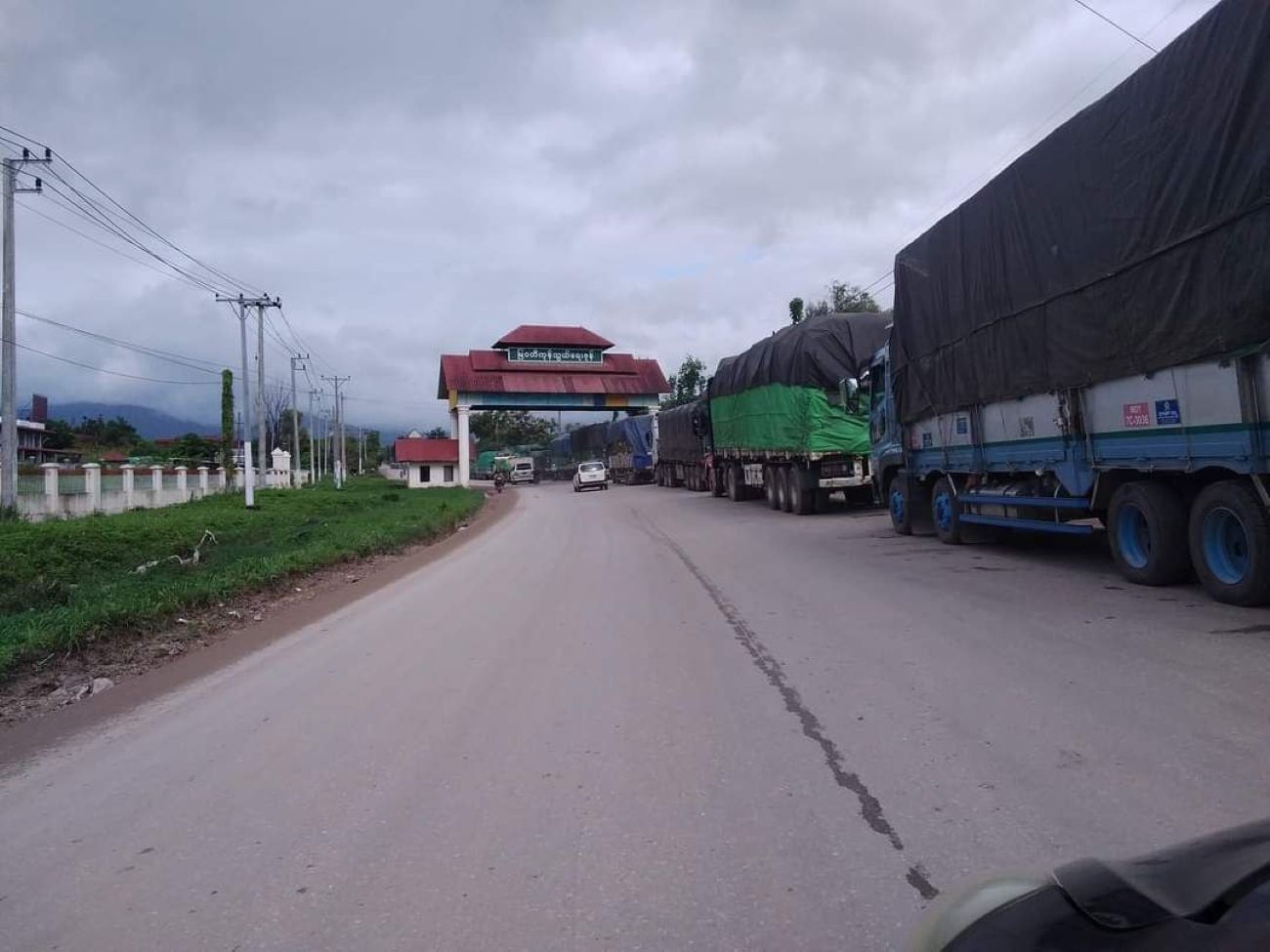
However, because the government has tightened regulations and conducted crackdowns on the import of consumer goods and food products from Thailand and China, domestic commodity shortages and high prices have emerged.
Political analyst U Htet Aung Kyaw told CNI News that the government needs to realize the consequences of the hardships faced by the public due to the import restrictions imposed during the 100-Day Plan.
"The market should be given freedom. Only then will everything be resolved. The moment there is government intervention, and as the duration of that intervention stretches, the market gets distorted, leading to the kind of distress we see now. That is why if a free market is not allowed, the hardships will persist. And who is bearing the brunt of this hardship? The public. Worse still, bottom-tier staff don't seem to understand the concept of this 100-Day Plan. Since they don't understand it, they are doing whatever they want under the guise of the '100-day period,' which has become a massive burden on the public. This is driving all these negative consequences. A government should be aware of these issues. Only by knowing can they fix them," he said.
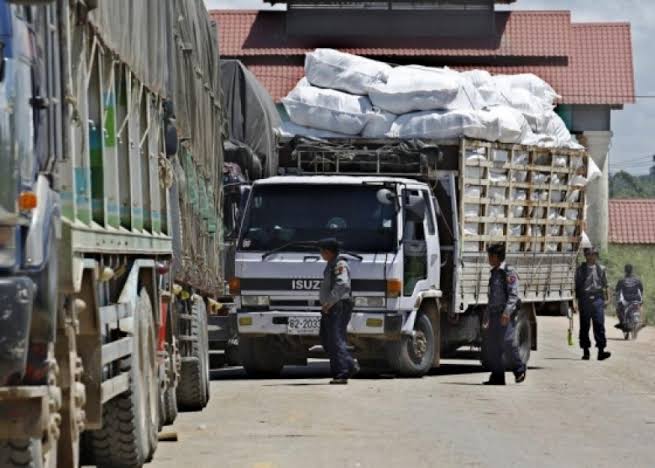
Inspection of illegal goods underway
The government officially announced the 100-Day Plan on April 20, 2026, and it is scheduled to run until the end of July.
The primary sectors being implemented within the 100-Day Plan include socio-economics and services, boosting agricultural loans, commodity flow and prices, and local development—all of which are activities related to the general public.
Under the category of commodity flow and prices, crackdowns on illegal goods are being carried out under the directives of the President.
Although the government is offering small and medium enterprise (SME) loans through bank connections to encourage domestic manufacturing, raw materials required for production are being seized as illegal goods. Consequently, factories are facing a shortage of raw materials, a business owner told CNI News.
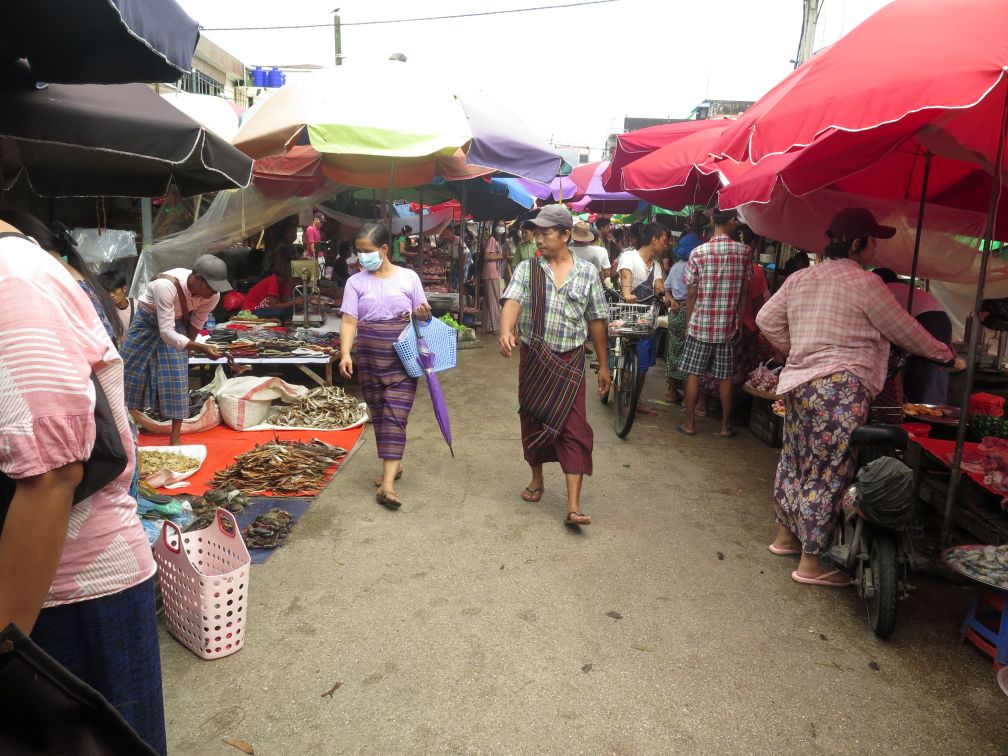
View of a shopping bazaar
"The lack of imported goods is one thing. But when imports stop, what about the domestic side? Since raw materials required for local industries are not being supplied adequately, domestic businesses are now finding it hard to operate. Everyone across the entire country knows this. It has reached a point where everyone knows except the government. Therefore, the situation can only improve if the government realizes this as quickly as possible and fixes the issue promptly," he said.
Business owners point out that the policies regarding the socio-economic sector within the 100-day project—conducted under the President's guidance—are too general, lack stability, and critically lack the key points needed to revive the economy.
Economic and political analysts have also pointed out that the plan fails to include economic projects or schemes capable of remedying the public's socio-economic life, measures to stabilize soaring basic commodity prices and inflation, or initiatives to create a favorable or relaxed environment for businesses to operate effectively.