
CNI News
4 July 2026
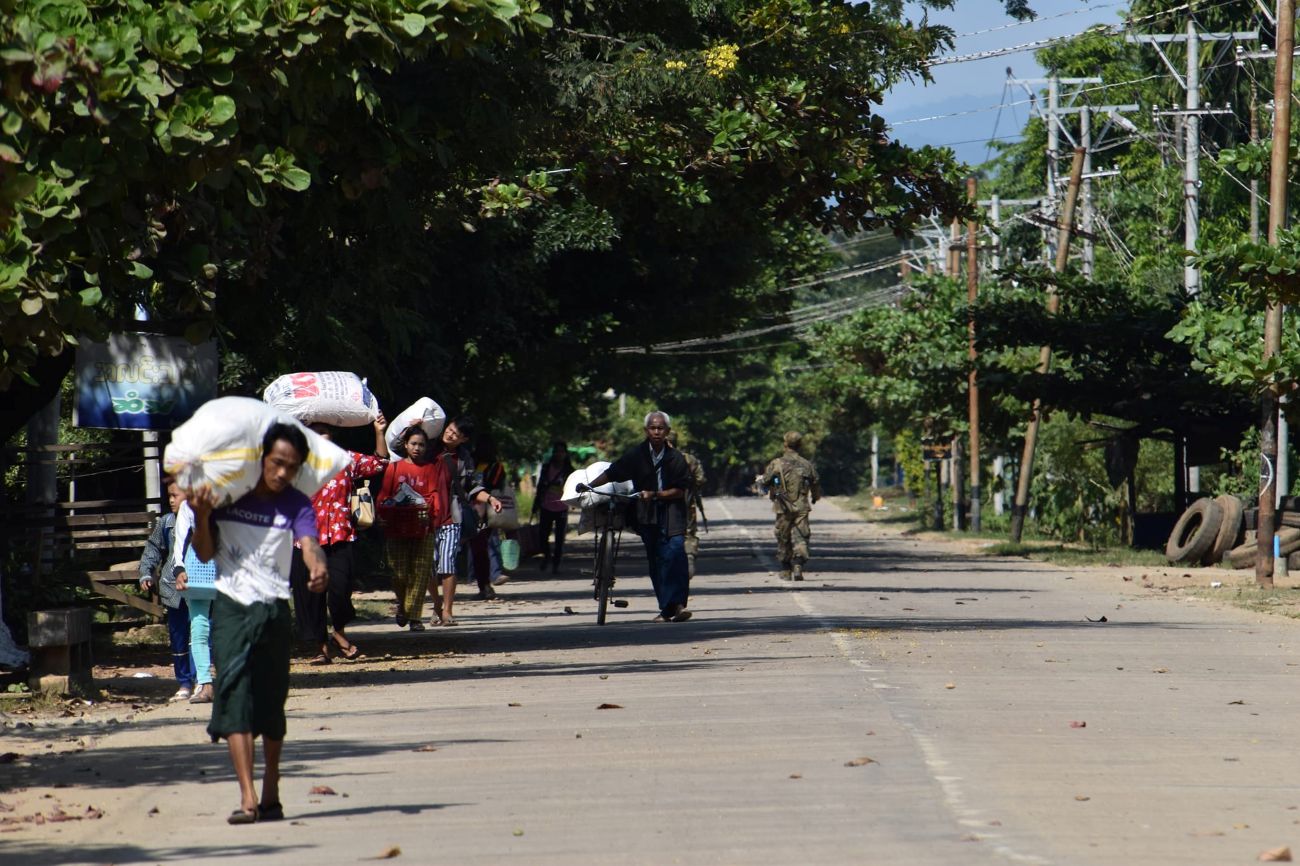
Although the ultimate goal of taking up arms in Myanmar is claimed to be for the benefit of the public, Myanmar's political circles point out that, in reality on the ground, the citizens are the ones suffering all the losses.
Political observers highlight that while the root cause of Myanmar's armed revolution stems from ethnic minorities being denied their fundamental rights, various armed organizations in the country's peace process currently prioritize their self-interests before considering the nation as a whole.
Dr. Aye Maung, Chairman of the Arakan Front Party (AFP), told CNI News that while armed organizations justify their revolution as being for the welfare of the people, it is the civilian population that bears the brunt of the devastation.
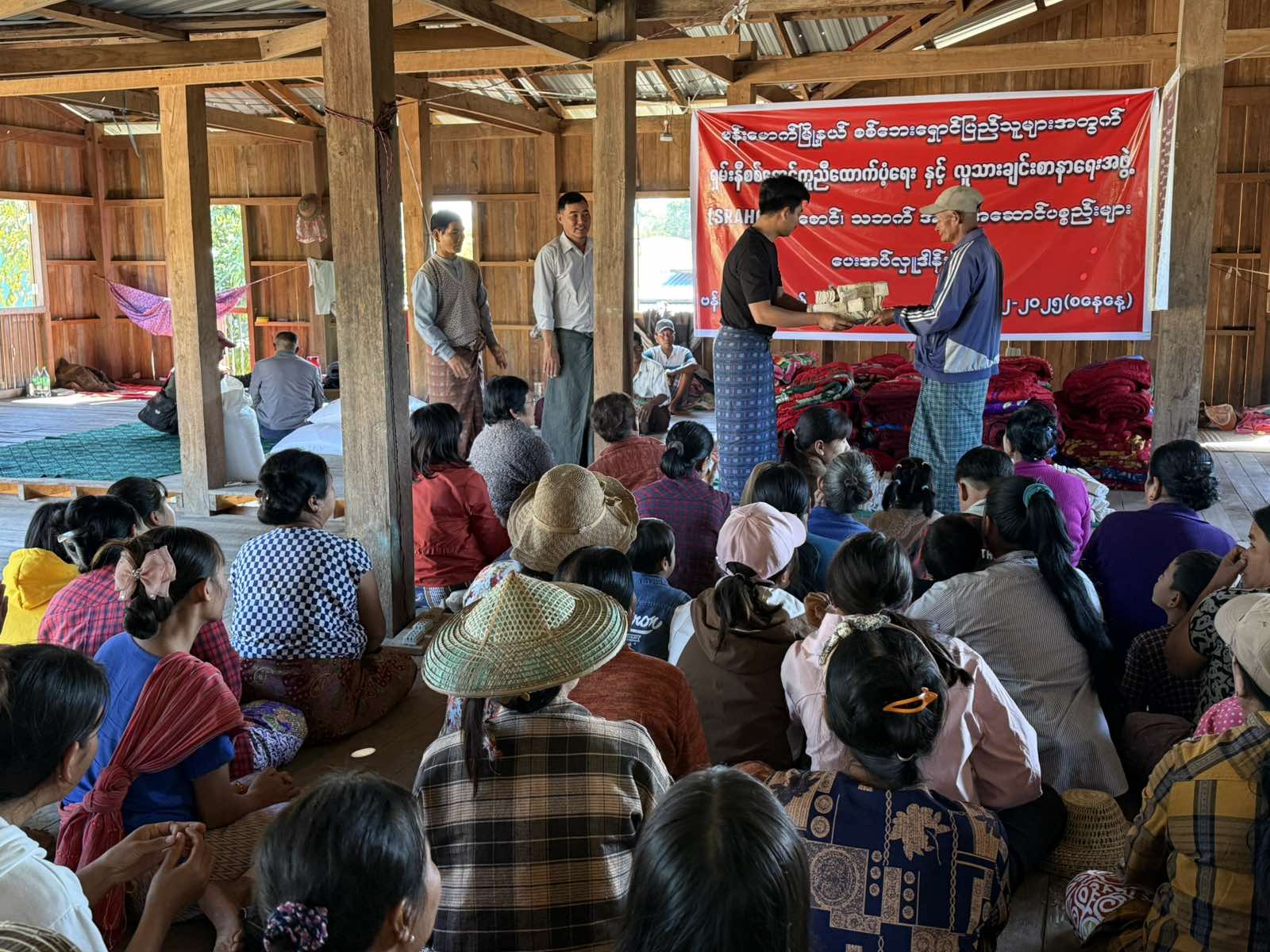
Providing aid and relief to IDPs from Banmauk Township
Dr. Aye Maung stated: "I want to see an end to armed conflicts. In every armed conflict, organizations claim they take up arms politically for the sake of their respective peoples. Ethnic groups that historically enjoyed self-rule will say they want to rebuild their own state. The Rakhine will say this, the Mon will say this, and the Shan will say this too. Every armed conflict targets the public as its reference point, claiming it is for the public good and for the people. Yes, in actual conflict, only the public suffers. The people face instability, the destruction of their homes, and the loss of their property. I want these groups to have empathy for the people. For instance, the public has been suffering amidst this crisis for 80 years. For the sake of all citizens—whether they are Bamar, Rakhine, or Mon—groups should give up what needs to be given up and work toward ending armed conflict. The public might eventually demand exactly that.Therefore, rather than either side digging in their heels and saying, 'We must get this or that for the people,' I want them to look at what the people actually want. I want them to enshrine those desires in the constitution and build a new nation."
Myanmar gained independence on January 4, 1948, but internal civil war erupted shortly after in March of the same year and continues to this day.
Following the Myanmar military's ousting of the NLD government on February 1, 2021, intense armed conflicts erupted across the nation, alongside campaigns to seize control of entire towns.
As a direct consequence of these armed conflicts:
Over 3 million people have been internally displaced from their homes. Over 6.3 million school-aged children have been forced to drop out of school.
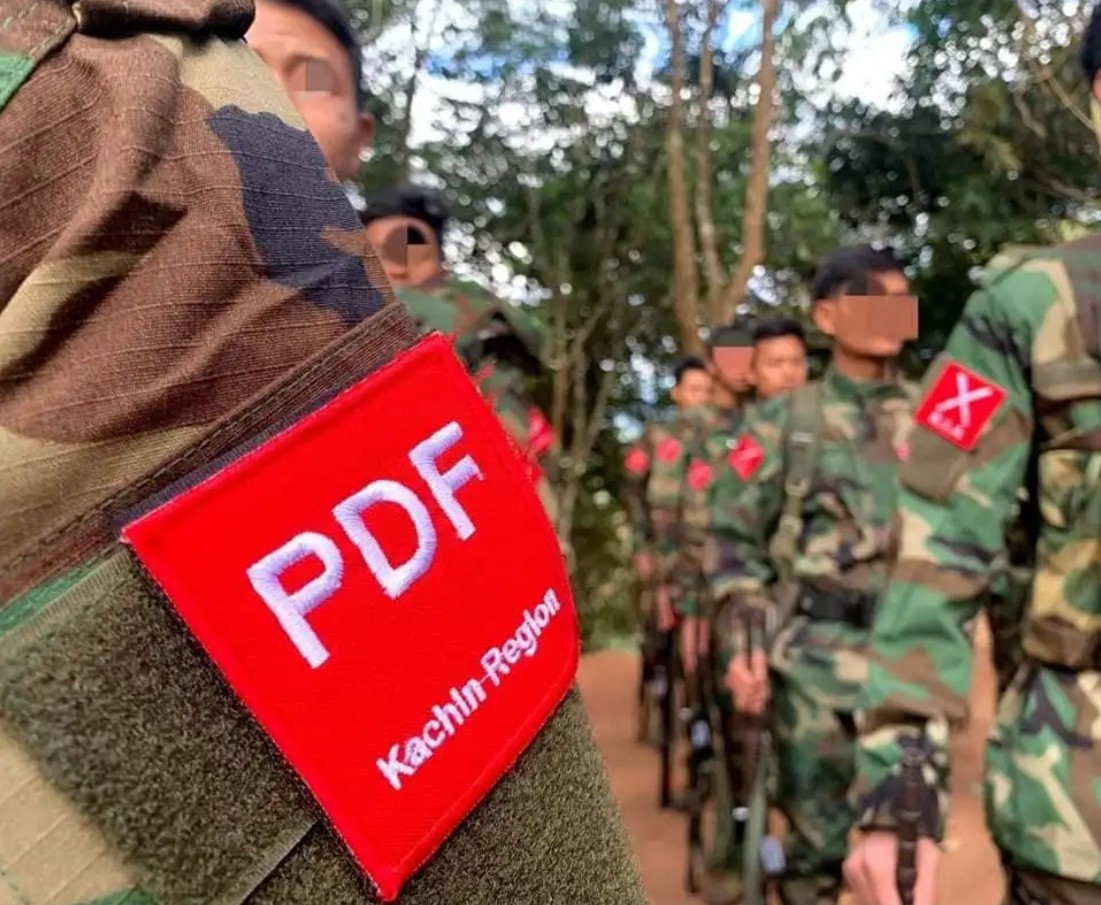
A joint force of the KIA and PDF
Political analyst Dr. Myo Set Thway told CNI News that it is difficult to believe the narrative that armed groups are fighting for the public interest, suggesting instead that they operate out of self-interest and organizational benefit.
Dr. Myo Set Thway stated: "Take the PDFs and other groups born out of what is called the nationwide Spring Revolution. Although they claim to act for the nation’s benefit, they are actually fragmented and working for the interest of a single organization or a specific ideology. Thus, I view their claims of working for the whole country as just pleasing rhetoric. We have to ask: when they say 'the public's interest,' which public do they mean? Do they mean all 51 million citizens of Myanmar, or just the public connected to them? Even if they genuinely intend to work for the public, doing so on a national scale often carries contradictory elements on the ground. We can only accept their words if their actions match. Whether what they are doing right now is truly for the public good, for personal gain, for organizational interest, or just for the people associated with them—they themselves will know best."
Despite efforts by successive governments to end armed conflicts in Myanmar, no definitive agreements have been reached to this day.
Currently, the armed organizations, the Myanmar military, and the government remain deadlocked and unable to reach a consensus on key issues:
Power-sharing and governance structures, Territorial administration, Resource and financial allocation.
Consequently, military and political analysts point out that ending the armed conflicts remains highly challenging, and the flourishing of democracy and a federal system remains a distant goal.